The Case for Land Entitlement in Supply-Constrained Markets
Jacob Sampson
Investment Committee
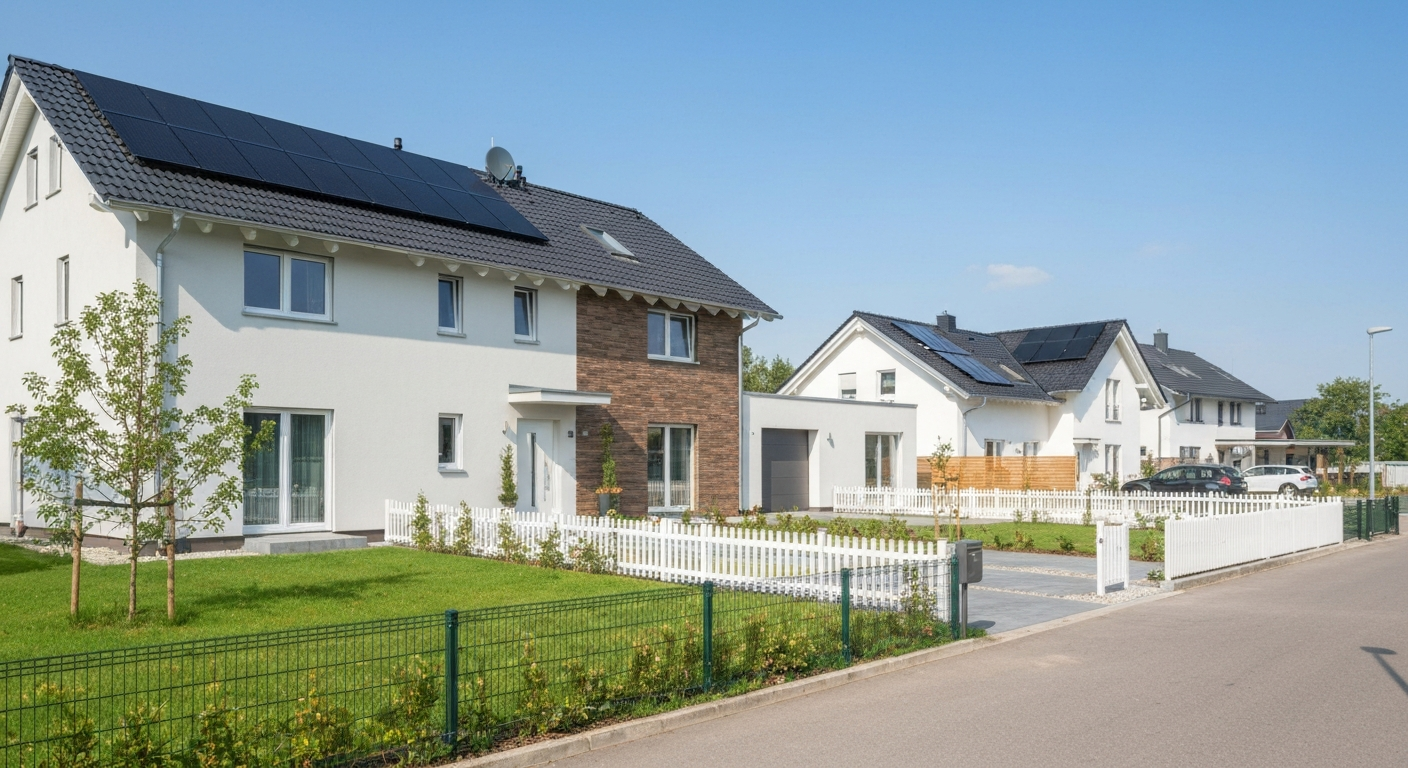
The U.S. housing market continues to face a structural deficit of millions of homes. While much attention is placed on vertical construction and the cost of materials, the true bottleneck in supply-constrained markets is often horizontal: the availability of finished, buildable lots.
The Horizontal Bottleneck
National homebuilders are increasingly adopting "land-light" strategies. Rather than tying up capital for years navigating zoning boards, environmental studies, and infrastructure installation, they prefer to acquire "just-in-time" inventory—fully entitled lots ready for immediate vertical construction.
This shift has created a significant opportunity for specialized land developers who possess the local relationships, capital patience, and technical expertise to navigate the entitlement process.
Risk Mitigation Through Discipline
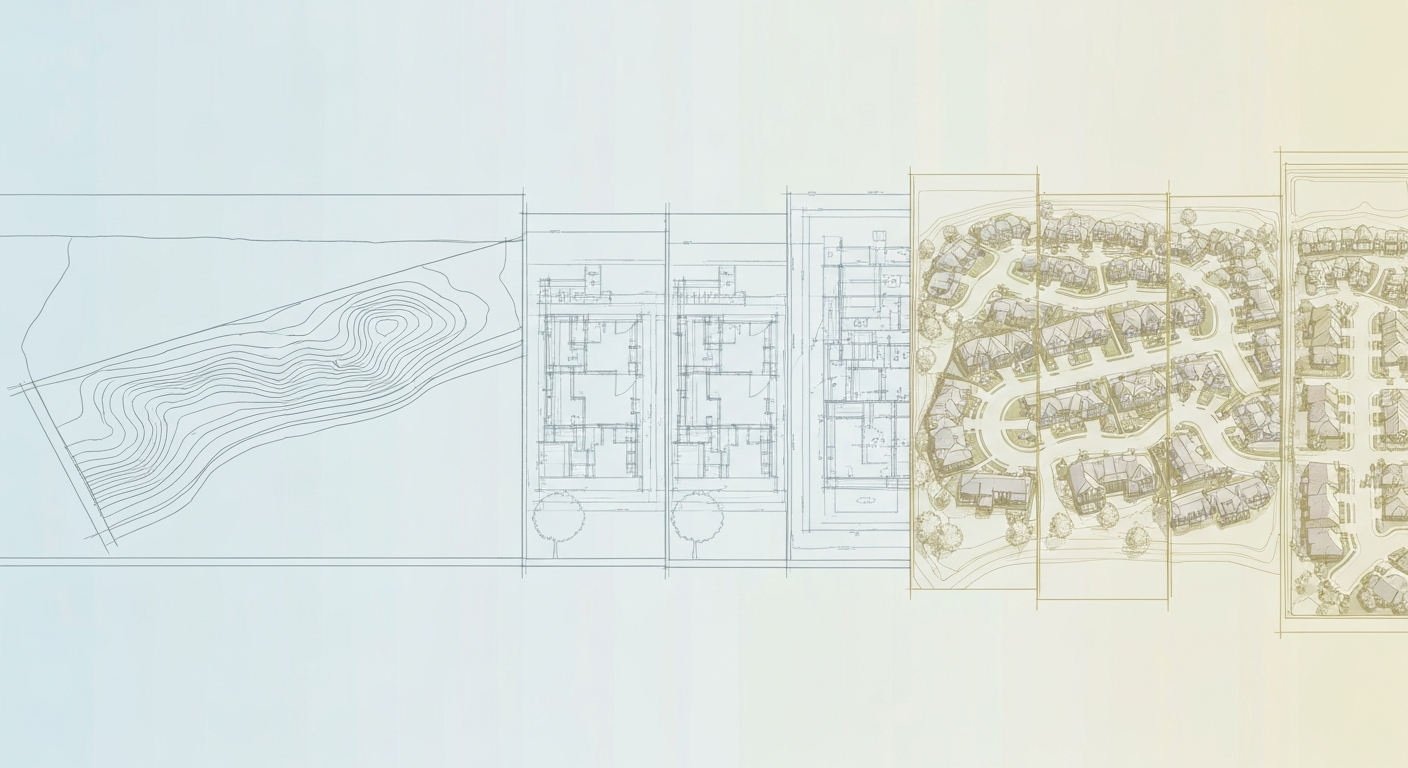
Land entitlement, when executed with discipline, offers a unique risk-adjusted return profile. By acquiring raw or underutilized land at an attractive basis, developers can create substantial value simply through rezoning and platting, before a single shovel hits the dirt.
- Lower Capital Intensity: Entitlement requires significantly less capital than vertical construction.
- Flexibility: Entitled land can be sold entirely, sold in phases, or developed vertically by the sponsor.
- Downside Protection: Acquiring land in the path of growth provides intrinsic value preservation.
Conclusion
As the housing shortage persists, the premium on entitled land will only increase. For private equity investors, allocating capital to the horizontal phase of development provides access to significant value creation while avoiding the margin compression often seen in vertical construction.